
Ayr Racecourse Fixtures 2026: Key Dates and Meetings
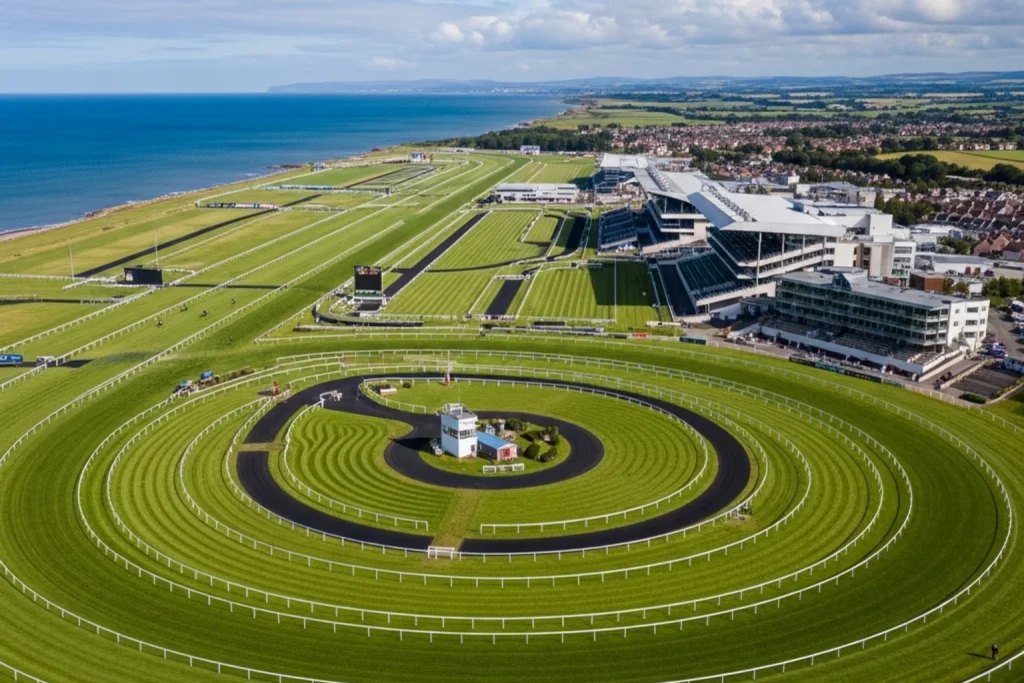
Your 2026 Ayr Racing Diary
Planning your complete 2026 Ayr racing calendar requires knowing which meetings offer the best racing, the strongest betting opportunities and the most rewarding experiences. Ayr stages approximately 32 racing days annually across both Flat and National Hunt programmes, ranging from intimate midweek fixtures to the showcase festivals that draw crowds from across Britain. Understanding the fixture list helps punters target their engagement where analysis and entertainment coincide.
The 2026 calendar follows established patterns while accommodating annual variations. The Gold Cup Festival anchors the Flat season each September, the Scottish Grand National dominates April’s jumps programme, and regular fixtures fill the months between with competitive racing that often produces better betting value than the headline events. Knowing what each meeting offers allows informed decisions about where to focus attention.
This guide highlights the key dates for 2026, provides seasonal context for Ayr’s racing programme, and offers practical advice for planning race-day visits. Whether targeting specific festivals or building familiarity through regular attendance, understanding the fixture list creates the framework for sustained engagement with Scotland’s premier racecourse.
Key Dates: Gold Cup Festival and SGN
The Ayr Gold Cup Festival, typically staged during the third or fourth week of September, represents the pinnacle of the Scottish Flat season. The three-day meeting centres on Saturday’s Gold Cup itself, carrying a prize fund of £180,000 that makes it Europe’s richest sprint handicap. The 2026 dates will be confirmed by the British Horseracing Authority and published on the Ayr Racecourse website, but the September timing remains consistent year to year.
Thursday of Gold Cup week opens the festival with solid cards that build toward the weekend. Friday features the Silver Cup and other competitive handicaps that test horses whose ratings placed them outside Gold Cup contention. Saturday culminates with the Gold Cup, Bronze Cup and supporting races that make it the most valuable single day in Scottish racing. Booking accommodation and tickets well in advance is advisable as demand typically exceeds supply.
The Scottish Grand National Festival occupies a weekend in early-to-mid April, two weeks after the Aintree Grand National. The Saturday card features the Scottish Grand National itself, Scotland’s most valuable jumps race with prize money of approximately £200,000. Supporting races across the weekend provide additional betting opportunities, while the atmosphere reflects the significance of the occasion for Scottish racing.
These flagship festivals generate most of Ayr’s annual attention, but they represent only a fraction of the racing programme. Planning calendars around these dates ensures attendance at the track’s premier occasions while leaving flexibility to engage with regular fixtures where crowds are smaller but racing remains competitive.
Seasonal Overview: Spring, Summer, Autumn
Spring racing at Ayr bridges the National Hunt and Flat seasons. Early months feature jump racing that builds toward the Scottish Grand National, with cards that test staying chasers and hurdlers on ground that typically rides soft after winter weather. As spring progresses, mixed meetings introduce Flat racing alongside continuing jumps action, allowing punters to assess horses returning from breaks or making seasonal debuts.
Summer brings the heart of the Flat programme. From May through August, Ayr stages regular fixtures featuring sprints and middle-distance races on ground that typically rides faster than spring or autumn meetings. These summer cards often attract smaller crowds than festivals, creating opportunities for attending punters who enjoy more relaxed race-day experiences. Betting markets may be thinner but can also be less efficient than festival prices.
Autumn concentrates Flat quality at the Gold Cup Festival before transitioning back toward National Hunt racing. The weeks after the Gold Cup feature mixed meetings that wind down the Flat season while ramping up jumps action. By November, the programme shifts decisively toward National Hunt racing, with cards featuring the chasers and hurdlers that will eventually contest the Scottish Grand National or other spring targets.
Winter racing maintains continuity through the coldest months. Ayr’s excellent drainage ensures that meetings proceed when lesser tracks might abandon, though fields may be smaller and quality more variable than during peak periods. For dedicated punters, winter racing offers opportunities to assess horses that will reappear in spring features, building form knowledge that pays dividends when bigger races arrive.
Planning Your Visits: Tips and Advice
Ticket purchases for major festivals should be made weeks in advance. Gold Cup Saturday and Scottish Grand National Saturday regularly sell out, leaving latecomers unable to attend in person. The Ayr Racecourse website provides booking facilities and information about different enclosure options, from Premier admission with optimal viewing to more affordable alternatives that still provide race-day access.
Travel planning deserves attention for visitors from outside the region. Ayr sits on the southwestern Scottish coast, accessible by road and rail from Glasgow and beyond. Car parking at the racecourse accommodates most visitors, while train services connect to Ayr station within walking distance of the track. For festival meetings, considering traffic and arranging accommodation locally prevents rushing that compromises race-day enjoyment.
Weather preparation matters throughout the calendar. The west coast location exposes Ayr to Atlantic weather systems that can deliver rain, wind or sunshine within single afternoons. Layered clothing that adapts to changing conditions ensures comfort regardless of what the sky produces. The track’s excellent drainage means racing proceeds through most weather, so attendance plans need not change despite forecasts.
Regular fixture attendance builds course familiarity that festival-only visitors lack. Understanding how the track rides in different conditions, recognising which parts of the course favour different running styles, and observing which trainers and jockeys consistently perform well all require accumulated experience. Treating regular meetings as educational opportunities alongside betting occasions compounds knowledge over seasons.
Combining race-day visits with broader Ayrshire exploration enhances the experience. The region offers coastal scenery, golf courses and historical sites that provide context for the racecourse’s setting. Visitors planning overnight stays for festivals can extend trips to include non-racing activities, making journeys to Ayr worthwhile beyond the track itself.
Hospitality options at Ayr range from basic admission to comprehensive packages including food, drink and premium viewing positions. For groups celebrating occasions or corporate entertaining, hospitality bookings simplify logistics while ensuring quality experiences. Comparing available packages before booking ensures appropriate matches between expectations and offerings.
Staying informed about fixture changes protects against wasted journeys. While Ayr’s drainage minimises abandonments, weather or other factors occasionally force rescheduling. Following the racecourse’s official communications through their website and social media channels provides timely updates that allow plan adjustments when necessary. Checking fixture status on intended race days avoids arriving at closed gates.
Finally, building relationships with the track through regular attendance creates benefits that occasional visitors miss. Understanding which enclosures offer the best value, knowing where to find the most competitive bookmaker prices, and recognising course staff who can answer questions all develop through repeated presence. The investment of time produces returns in race-day efficiency and enjoyment that single visits cannot match.
A Season of Self-Control
Race-day attendance intensifies betting temptation through atmosphere and accessibility. Set firm limits before arriving at any fixture and maintain those limits regardless of earlier results. The 32 meetings in a season represent 32 opportunities to enjoy racing responsibly or 32 occasions for excess. If gambling creates pressure rather than enjoyment, support is available through GamCare and the National Gambling Helpline.