
Betting Odds Comparison for Ayr Races: Finding Value
 Available in US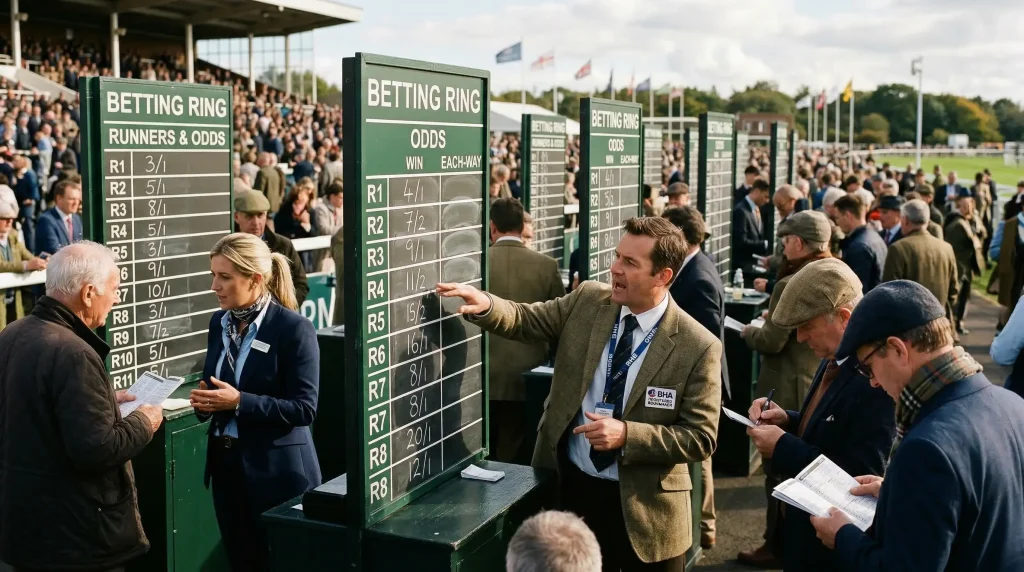
Why Odds Matter
Getting the best price every time transforms long-term betting results more than any other single factor. UK horse racing betting generates approximately £8.73 billion in annual turnover, with punters collectively forfeiting significant sums through accepting inferior odds when better prices exist elsewhere. The difference between backing a winner at 4/1 versus 9/2 may seem modest, but compounded across hundreds of bets it determines whether betting proves profitable or loss-making.
Odds comparison requires minimal effort but produces maximal impact. Modern tools make checking prices across multiple bookmakers trivially easy, yet many punters still accept the first price they see from their regular account. Breaking this habit, developing the discipline to shop for best value consistently, represents perhaps the simplest improvement available to recreational bettors.
This guide explains methods for comparing bookmaker prices efficiently, examines how odds movements reveal information that aids selection, and identifies strategies for maximising returns through systematic price hunting. Applying these principles to Ayr betting, whether at the Gold Cup Festival or regular fixtures, extracts value that otherwise leaks to bookmaker margins.
Early prices work differently: ante-post betting.
Comparing Bookmaker Prices: Methods
Odds comparison websites aggregate prices from multiple bookmakers into single displays, enabling instant identification of best available prices. These sites update continuously as markets move, capturing real-time changes that manual checking across multiple bookmaker websites would miss. Bookmarking reliable comparison sites and checking them before placing every bet establishes the foundation for systematic price shopping.
Multiple bookmaker accounts enable accessing the best prices comparison sites identify. Holding accounts with several major operators, plus specialist racing bookmakers who may offer enhanced odds on specific races, provides flexibility to place bets wherever value exists. Opening accounts requires modest effort that subsequent price advantages quickly justify.
Best Odds Guaranteed promotions transform price shopping dynamics. Bookmakers offering BOG agree to pay winning bets at SP if it exceeds the price taken, eliminating downside risk from backing horses whose prices subsequently lengthen. When BOG applies, taking early prices carries no penalty even if markets move against selections, encouraging early commitment that locks in value before general market awareness compresses prices.
Exchange betting offers alternatives to bookmaker prices. Betting exchanges facilitate peer-to-peer wagering where users bet against each other rather than against the house. Exchange prices often exceed bookmaker offerings, particularly on horses attracting limited support, though commission charges reduce effective returns. Understanding when exchange betting offers advantages helps optimise price across different market conditions.
Recording prices obtained versus best available prices reveals personal efficiency. Tracking whether bets consistently secured optimal odds or whether shortcuts compromised value identifies areas for improvement. This data demonstrates the actual cost of accepting inferior prices, motivating continued discipline when effort seems unjustified for individual bets.
Odds Movement Patterns: When to Bet
Early prices typically offer value before markets incorporate full information. Bookmakers opening prices based on preliminary assessments often misprice horses whose chances only become apparent as information spreads. Securing early prices on horses whose merits others will eventually recognise captures value that raceday prices deny.
Market support patterns reveal intelligence that form study cannot access. Horses whose prices shorten steadily from opening marks typically attract informed support from connections or observers with privileged information. Statistics show that only 4 of the past 24 Ayr Gold Cup favourites actually won, demonstrating that market favour alone does not guarantee success, but sustained shortening often indicates genuine confidence worth noting.
Drifting prices signal issues or lack of stable confidence. Horses whose odds lengthen throughout the day may have encountered problems that public form does not reveal, or may simply lack the support that well-fancied horses attract. While drifters occasionally win at enhanced prices, the pattern often indicates genuine reasons for market scepticism that punters should consider.
Race-time information affects final prices significantly. Late jockey changes, going updates and parade ring observations all influence prices in the final minutes before races. Punters present at racecourses can access this information directly; those betting remotely must rely on media coverage or wait for prices to reflect developments they cannot observe firsthand.
Ante-post markets offer enhanced prices balanced against non-runner risk. Prices available days or weeks before races often exceed those available once fields are confirmed, compensating for the possibility that selected horses do not ultimately compete. As Anne Lambert, Interim Chair of the HBLB, has observed, racing is facing significant challenges, and market dynamics reflect these broader industry pressures alongside race-specific factors.
The wider context is set out in our Ayr betting guide.
Maximising Returns: Best Price Strategies
Systematic approaches outperform sporadic price shopping. Committing to check odds comparison sites before every bet, without exception, ensures that best prices become habitual rather than occasional. The cumulative benefit over seasons of betting far exceeds the modest time investment required for each individual check.
Timing strategies match betting style to price patterns. Those who form views early can secure morning prices before markets move; those who prefer late information can exploit on-course betting or final market movements. Neither approach is inherently superior, but matching personal style to timing optimises results for individual circumstances.
Staking adjustments respond to price quality. When securing significantly better odds than initially expected, slightly increased stakes may be appropriate; when forced to accept inferior prices, stake reduction limits damage. This flexible approach ensures that capital allocates toward better opportunities while protecting against forced bets at poor value.
Price-based selection enhancement identifies horses whose odds overstate chances. A horse available at 10/1 with one bookmaker while others offer 6/1 warrants investigation, as significant price differences may indicate operator error rather than genuine assessment divergence. These outliers occasionally represent genuine value that systematic comparison uncovers.
Long-term record keeping enables strategy refinement. Tracking which bookmakers consistently offered best prices on winning selections, which price movement patterns proved most reliable, and how personal timing choices affected returns provides data for continuous improvement. Without records, learning proceeds slowly and improvement opportunities remain hidden.
Festival-specific strategies apply at major Ayr meetings. Gold Cup and Scottish Grand National markets attract heavier betting volumes, typically producing more competitive prices as bookmakers compete for turnover. These markets may offer better value than regular fixtures where thinner trading allows wider margins. Concentrating betting activity toward well-traded markets can improve overall price quality.
Arbitrage opportunities occasionally arise when bookmaker prices diverge sufficiently. Backing one selection with one bookmaker while laying it on an exchange, or backing all outcomes across different operators at prices that guarantee profit, represents risk-free betting when mathematics permits. While genuine arbitrage is rare and windows close quickly, awareness of the concept helps recognise value when it appears.
Promotional offers enhance effective odds beyond headline prices. Free bets, enhanced accumulators and money-back specials all improve expected returns for those who use them appropriately. Staying aware of current promotions and factoring them into betting decisions maximises value beyond pure price comparison.
Account management becomes necessary as price shopping intensifies. Bookmakers may restrict or close accounts of customers they identify as consistently extracting value. Maintaining steady activity patterns, accepting occasional suboptimal prices, and avoiding obviously exploitative behaviour helps preserve account access that unrestricted price hunting might jeopardise.
Better Odds, Same Risks
Better odds do not transform losing selections into winners. Price optimisation improves returns on successful bets but cannot overcome poor selection choices. Maintain stake discipline regardless of price quality and recognise that even well-priced bets lose regularly. If gambling creates pressure, support is available through GamCare and the National Gambling Helpline.
